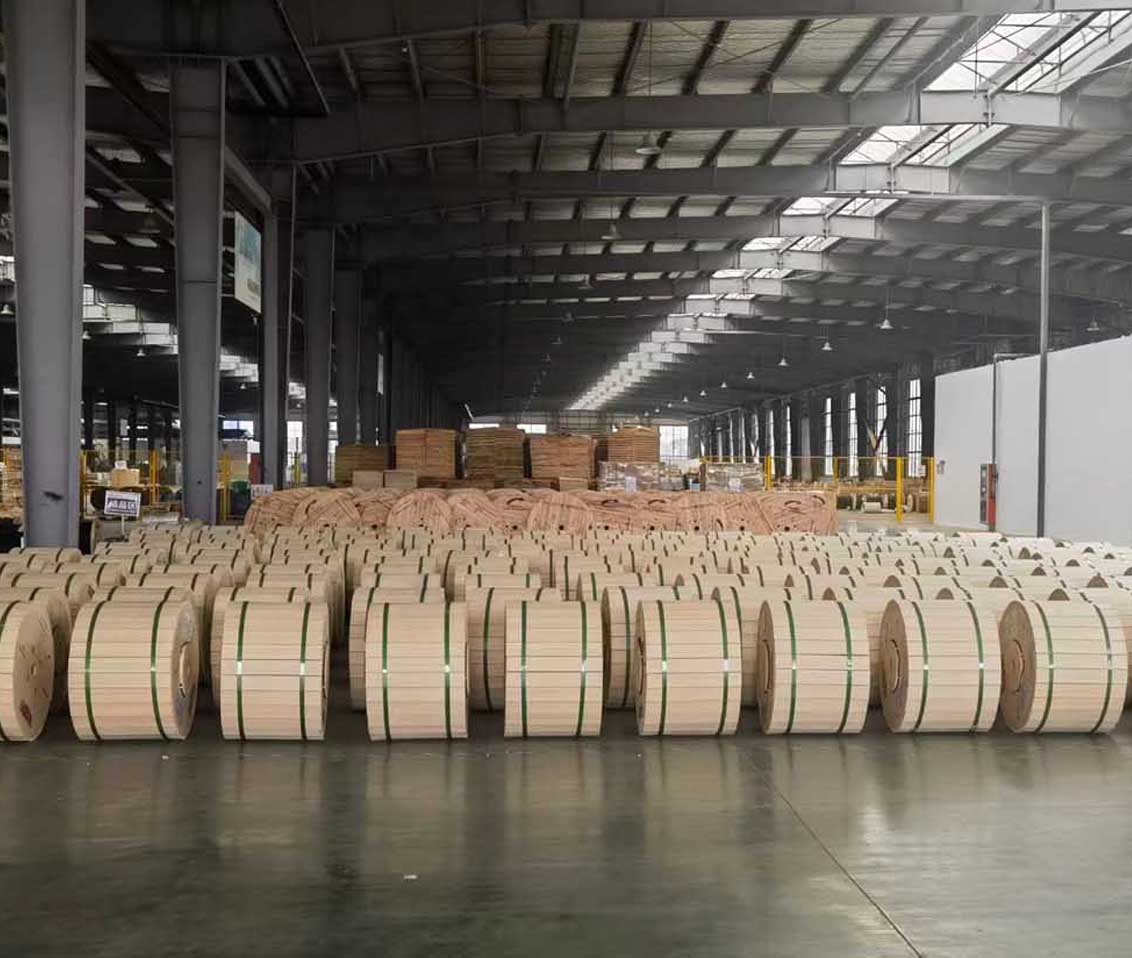
 Optical Fiber
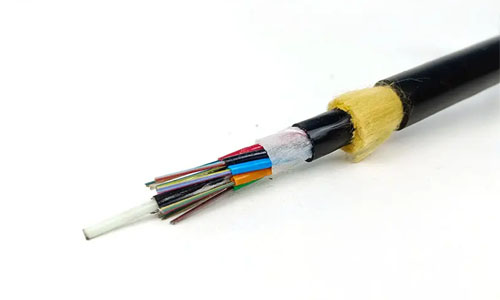 ADSS Fiber Optic Cable
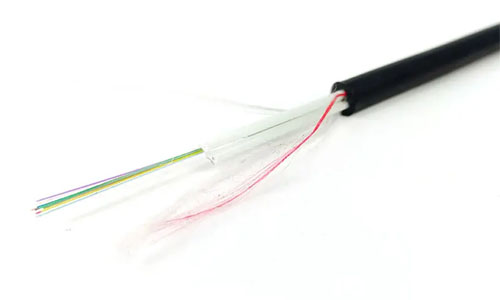 ASU Fiber Optic Cable
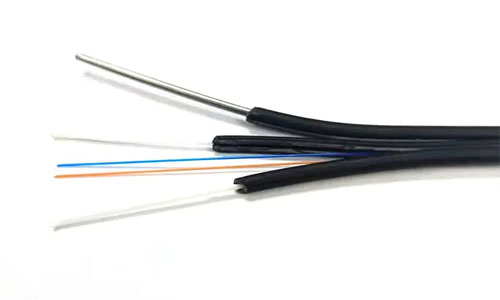 FTTH Fiber Optic Cable
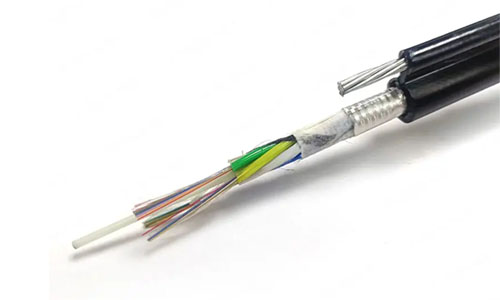 Figure 8 Fiber Optic Cable
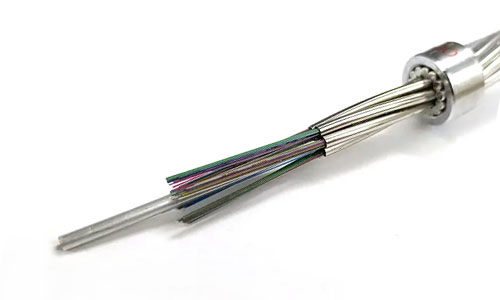 OPGW Fiber Optic Cable
 Coaxial Cable
 Ethernet Cable
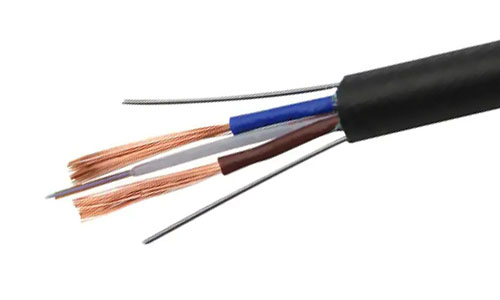 Photoelectric Composite Fiber Optic Cable
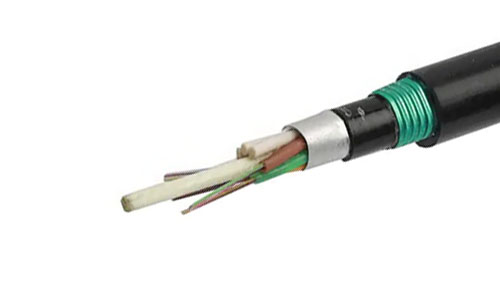 Underground & Pipeline Fiber Optic Cable
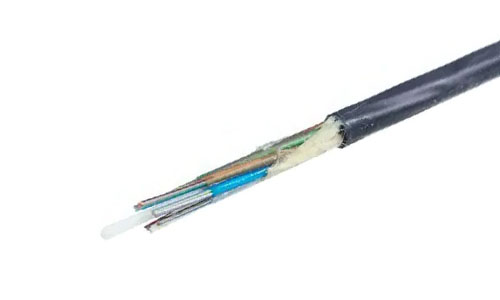 Air-Blown Micro Fiber Optic Cable
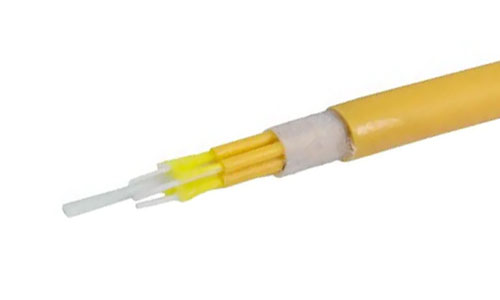 Indoor Fiber Optic Cable
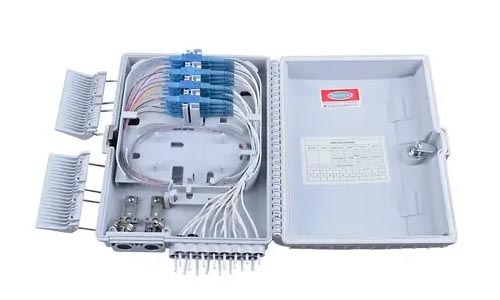 Fiber Optic Distribution Box
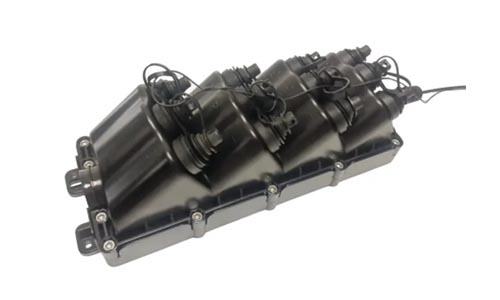 Multiport Service Termina Box
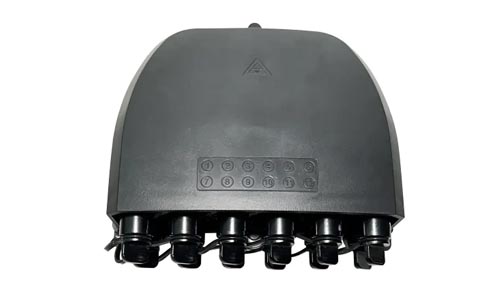 Fiber Optical Terminal Box
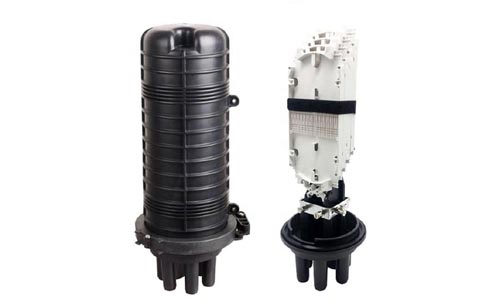 Fiber Optic Splice Closure
 Fiber Optic Clamps
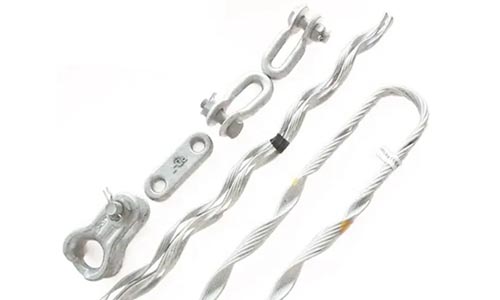 Fiber Optic Cable Fittings
 ADSS Fiber Cable
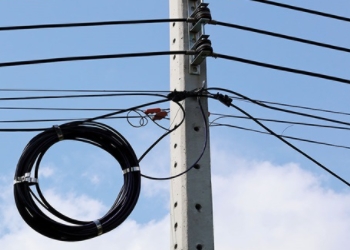 ASU Fiber Cable
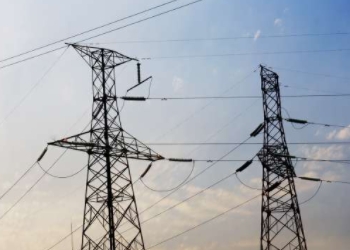 OPGW Fiber Cable
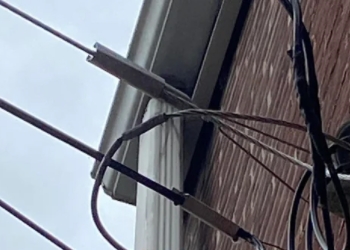 FTTH Fiber Cable
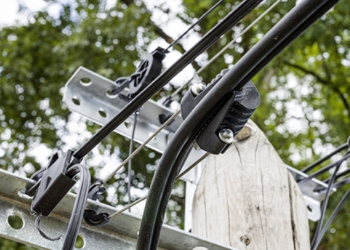 Figure 8 Fiber Cable
 Photoelectric Composite Fiber Cable
 Underground & Pipeline Fiber Cable
 Air-Blown Micro Fiber Cable
 Aerial Fiber Cable
 Indoor Fiber Cable
 Fiber Optical Terminal Box
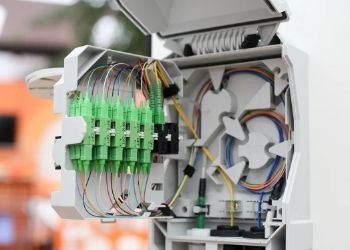 Fiber Optic Distribution Box
 Multiport Service Termina Box
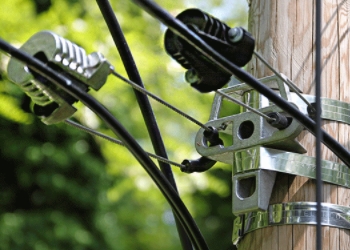 Fiber Optic Clamps
 About Us
 Our Team
 History
 R&D Strength
 Production Base
 Warehouse & Logistics
 Quality
 FAQs
FAQsSingle Mode vs Multimode Fiber: Ultimate analysis
inquiry nowSingle Mode vs Multimode Fiber: Ultimate analysis
You need to understand the difference between single-mode fiber and multimode fiber. Today, let's talk about fiber optics that are used to transmit data as optical signals. There are two types: single mode and multimode. This article will cover single-mode and multimode categories and performance in detail, so continue to learn about the differences between single-mode and multimode.

First, maybe I should think about the core size. I think single-mode has a smaller core, like 9 microns, while multimode is larger, maybe 50 or 62.5 microns. The core size probably affects how the light travels. In single-mode, since the core is smaller, maybe only one mode of light can propagate, hence the name. Multimode would allow multiple modes. But what does "mode" mean here? I think a mode is a path that light can take through the fiber. So in multimode, light can take multiple paths, which might cause modal dispersion. That's when different modes arrive at different times, causing signal distortion. So single-mode, having only one path, avoids this. That must mean single-mode can handle higher bandwidth over longer distances.
But then, what about the light source? I think single-mode uses lasers, which are more precise and can focus the light into the smaller core. Multimode might use LEDs or cheaper lasers because the core is larger and easier to couple the light into. Lasers are more expensive, so single-mode transceivers are probably costlier than multimode ones.
Distance is another factor. If single-mode has less dispersion, it can go longer distances without signal degradation. Multimode, with modal dispersion, would have shorter maximum distances. Maybe like kilometers for single-mode and hundreds of meters for multimode? But I should check the exact numbers. I've heard terms like OM3 and OM4 for multimode fibers, which relate to their performance. Those are probably standards for different grades of multimode, optimized for higher speeds over certain distances.
Bandwidth—single-mode should have higher bandwidth because there's no modal dispersion. So for high-speed, long-haul communications like between cities or in telecom backbones, single-mode is better. Multimode is used in data centers or local networks where distances are shorter, and cost is a bigger concern.
Cost-wise, the fiber itself: single-mode might be similar in price, but the transceivers (like SFP modules) are more expensive because of the lasers. Multimode transceivers are cheaper, but the fiber might be a bit more expensive? Wait, no, I think single-mode fiber is actually cheaper in some cases because it's simpler? Or maybe the installation costs differ. Wait, installation might be trickier for single-mode because the core is smaller, requiring more precise connectors and alignment. That could make installation more expensive, even if the fiber itself isn't.
Applications: single-mode for long distances, telecom, ISPs. Multimode for LANs, data centers, campus networks. Also, maybe in situations where high bandwidth is needed but over shorter runs. Like connecting servers within a data center.
Wavelengths used: Single-mode often uses 1310 nm and 1550 nm, while multimode might use 850 nm and 1300 nm. The longer wavelengths in single-mode might have lower attenuation, contributing to longer reach.
There's also something about chromatic dispersion, which affects single-mode more over very long distances, but they use dispersion-shifted fibers or compensators. Multimode's main issue is modal dispersion, which is mitigated by using graded-index fibers where the refractive index changes gradually, reducing the modal dispersion compared to step-index.
Oh, and there's different types of multimode fibers, like OM1, OM2, OM3, OM4, OM5. Each has different bandwidth and distance capabilities. OM3 and OM4 are optimized for use with 850 nm VCSELs (vertical-cavity surface-emitting lasers) for higher speeds like 10G, 40G, 100G Ethernet. OM5 is for wavelength division multiplexing in multimode.
So putting this all together: core size, light source, distance, bandwidth, cost, applications, and standards. Single-mode for long-haul, high-cost, high-performance. Multimode for short distances, lower cost, easier to install but limited by modal dispersion.
I should also check if there are any other differences, like bend radius or durability. Maybe single-mode is more sensitive to bends because of the smaller core, but I'm not sure. Multimode might be more forgiving in that aspect. Also, compatibility with existing equipment. If a network is already using multimode, upgrading might require changing both fiber and transceivers.
Another point: future-proofing. Single-mode might be more scalable for future speed increases without replacing the fiber, whereas multimode might have limitations as bandwidth needs grow beyond what the fiber can handle with modal dispersion.
Wait, but with advancements in multimode like OM5, maybe they can handle higher speeds over short distances. So the choice depends on the specific use case and expected growth.
I need to structure all this into a coherent comparison. Maybe start with the core differences, then go into technical aspects like bandwidth, distance, cost, applications, etc. Also, include a summary table for quick reference.
Let me verify some numbers. Single-mode core is 8-10 microns, multimode 50 or 62.5. Single-mode uses laser sources (1310, 1550 nm), multimode uses LED/VCSEL (850, 1300 nm). Maximum distances: single-mode can go up to tens of kilometers, even 100 km with appropriate equipment. Multimode for 100M to 550m depending on the standard (OM3/OM4). Cost: single-mode transceivers are more expensive, but fiber cost is comparable or slightly higher? Or maybe the fiber is cheaper, but overall system cost is higher due to transceivers.
Also, bandwidth: single-mode has virtually unlimited bandwidth for practical purposes, while multimode is limited by modal dispersion. So for 10G, 40G, 100G, multimode can handle it but over shorter distances. Single-mode can handle those speeds over much longer distances.
In terms of standards, single-mode is covered by ITU-T G.652, G.653, etc., while multimode is TIA-492-AAAB (OM1), etc.
Installation and maintenance: single-mode requires more precision, so maybe more skilled labor, higher initial setup cost. Multimode is easier to work with, lower installation cost.

So the complete comparison would cover all these aspects. Maybe also mention the evolution, like how single-mode is becoming more common even in shorter distances due to decreasing costs of optics, but multimode still holds in cost-sensitive, short-reach scenarios.
Single-Mode vs. Multimode Fiber: Ultimate analysis
1. Core Diameter
-
Single-Mode Fiber (SMF):
-
Core: 8–10 microns (extremely narrow).
-
Designed for single light mode propagation, minimizing signal distortion.
-
-
Multimode Fiber (MMF):
-
Core: 50 or 62.5 microns (wider).
-
Supports multiple light modes, leading to modal dispersion over distance.
-
2. Light Source & Wavelength
-
SMF:
-
Laser diodes (e.g., DFB, FP lasers).
-
Wavelengths: 1310 nm (standard), 1550 nm (long-haul, lower attenuation).
-
-
MMF:
-
LEDs or VCSELs (Vertical-Cavity Surface-Emitting Lasers).
-
Wavelengths: 850 nm (most common) and 1300 nm.
-
3. Bandwidth & Distance
-
SMF:
-
Unlimited bandwidth (theoretically) due to no modal dispersion.
-
Long distances: Up to 100+ km (with amplification).
-
Ideal for telecom backbones, undersea cables, and metro networks.
-
-
MMF:
-
Limited bandwidth due to modal dispersion.
-
Short distances:
-
OM1/OM2: 100–550 meters (up to 1 Gbps).
-
OM3/OM4/OM5: 100–550 meters (10–100 Gbps).
-
-
Used in LANs, data centers, and campus networks.
-
4. Cost
-
SMF:
-
Higher transceiver cost (lasers are expensive).
-
Fiber cost: Comparable or slightly higher than MMF.
-
Installation: Requires precision (skilled labor).
-
-
MMF:
-
Lower transceiver cost (LEDs/VCSELs are cheaper).
-
Fiber cost: Slightly higher for newer grades (OM3/OM4).
-
Installation: Easier due to larger core.
-
5. Dispersion
-
SMF:
-
Chromatic dispersion (wavelength-based) dominates over long distances.
-
Managed via dispersion-shifted fibers or compensators.
-
-
MMF:
-
Modal dispersion (path-length differences) limits distance/bandwidth.
-
Reduced via graded-index fibers (OM3/OM4/OM5).
-
6. Applications
-
SMF:
-
Long-haul networks, FTTH (Fiber-to-the-Home), ISPs, CATV, high-speed WANs.
-
-
MMF:
-
Data centers (server-to-switch), LANs, security systems, short-haul communication.
-
7. Standards
-
SMF:
-
ITU-T G.652 (standard single-mode), G.653 (dispersion-shifted).
-
-
MMF:
-
OM1/OM2: TIA-492-AAAB (62.5/125 µm) and TIA-492-AABB (50/125 µm).
-
OM3/OM4/OM5: Optimized for VCSELs and high-speed (40G/100G).
-
8. Future-Proofing
-
SMF:
-
Scalable for future upgrades (terahertz speeds with new modulation techniques).
-
-
MMF:
-
OM5 supports wavelength division multiplexing (SWDM) but limited by distance.
-
Comparison Table
| Feature | Single-Mode Fiber | Multimode Fiber |
|---|---|---|
| Core Diameter | 8–10 microns | 50/62.5 microns |
| Light Source | Laser diode | LED/VCSEL |
| Wavelength | 1310 nm, 1550 nm | 850 nm, 1300 nm |
| Bandwidth | Virtually unlimited | Limited by modal dispersion |
| Max Distance | 100+ km | 100 m (OM1) to 550 m (OM4/OM5) |
| Cost | Higher transceivers, lower fiber | Lower transceivers, higher fiber |
| Applications | Telecom, long-haul | Data centers, LANs |
| Standards | ITU-T G.652, G.653 | TIA OM1–OM5 |
| Dispersion | Chromatic (long-haul) | Modal (limits distance/bandwidth) |
Key Takeaways
-
Choose SMF for long-distance, high-bandwidth needs (e.g., ISPs, undersea cables).
-
Choose MMF for cost-effective, short-reach applications (e.g., data centers, campus networks).
-
OM4/OM5 MMF supports 40G/100G over 150–550m, while SMF is essential for future scalability.
Both fiber types coexist, with SMF dominating long-haul and MMF remaining relevant in enterprise environments. Advances in SMF optics (lower-cost lasers) are expanding its use in metro and data center interconnects.